Serving San Francisco, CA and surrounding areas. (628) 895-9470
Adding an ADU, a garage, or a ground-level addition? A properly engineered slab foundation is the first step - and in San Francisco, that means getting permits, soils assessments, and steel reinforcement right from the start.
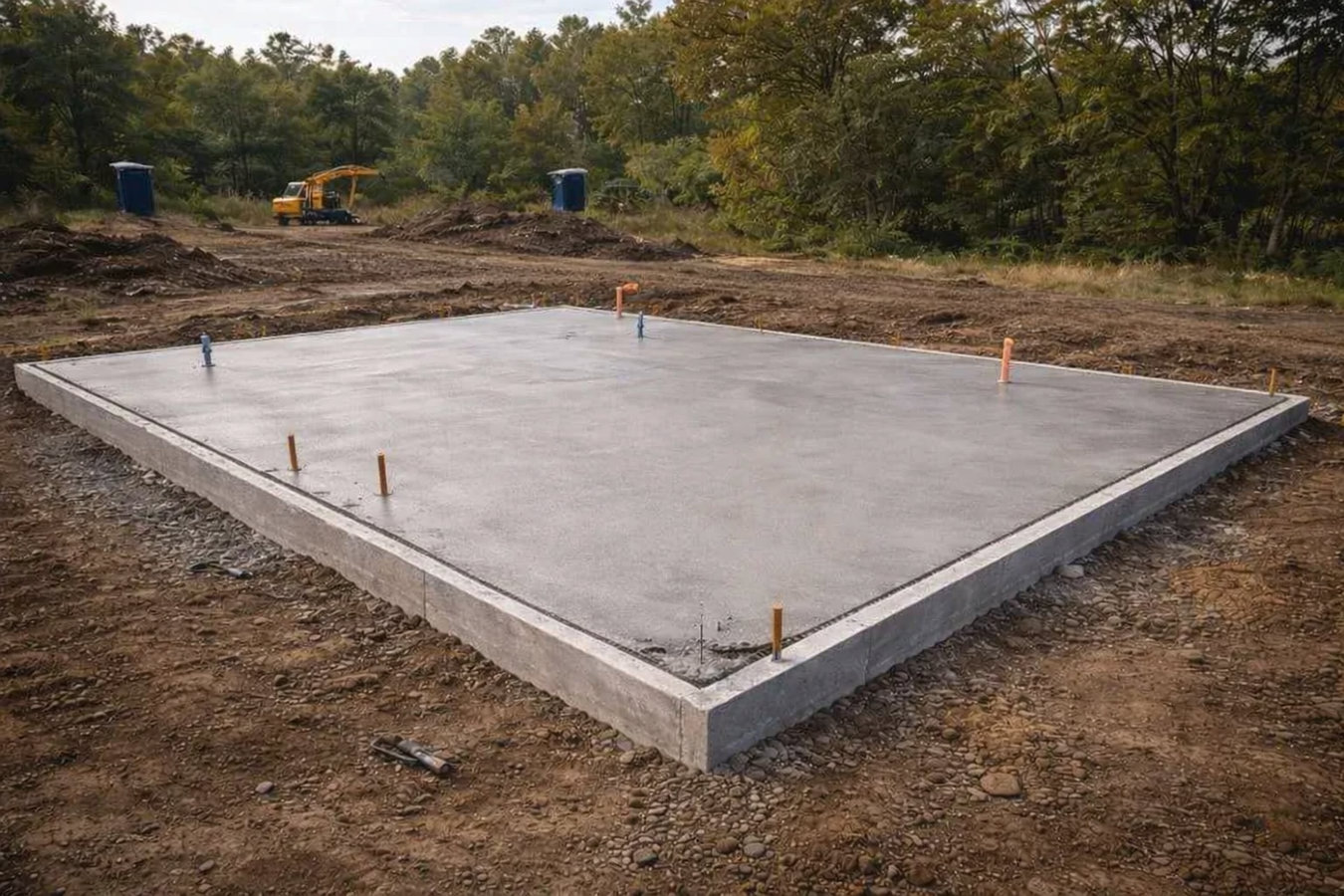
Slab foundation building in San Francisco means pouring a thick reinforced concrete base directly on prepared ground - most projects take two to four weeks of active work plus additional time for permits, engineering review, and the mandatory 28-day curing period before construction above the slab can begin.
Every new slab in San Francisco goes through the city's building permit process, which includes a structural engineer's stamp and at least two city inspections - one before the pour and one after curing. San Francisco's seismic zone requirements mean the steel reinforcement inside your slab must be placed to a specific engineered design, not just any grid pattern. If your project involves an ADU conversion or a new ground-level addition, we also handle foundation installation for more complex or multi-element structural needs.
Neighborhoods built on fill soil - including parts of the Marina, Mission Bay, and the bay shoreline - often require a geotechnical soils report before the city will issue a permit. We assess your site address early in the process so you are not surprised by that requirement after you have already committed to a timeline.
Any new ground-level structure - an ADU, a detached garage, a workshop, or a substantial addition - needs a permitted foundation before framing can begin. In San Francisco, where ADU construction has grown significantly, a properly engineered slab is the required starting point for almost every new ground-level build.
Hairline cracks in concrete are normal. But cracks wider than a quarter inch, diagonal cracks near corners, or cracks that appear to be growing over time are signs the slab is settling unevenly. In San Francisco neighborhoods on fill soil, this kind of movement is more common than in areas with solid bedrock underneath.
When a foundation shifts, the structure above shifts with it - and one of the first signs is doors or windows that suddenly stick or no longer close squarely. If multiple openings in the same area started misbehaving around the same time, that pattern is worth having a foundation professional investigate.
Some older San Francisco outbuildings, covered patios, and additions were built without a permitted foundation - sometimes decades ago. If you want to legally convert a garage to living space or bring an unpermitted structure up to code, a new slab foundation is typically the first step the city requires before any other work can be approved.
We build new slab foundations for residential properties across San Francisco and the Bay Area. Every project includes site clearing and grading, soil compaction, gravel base installation, plumbing rough-in for any utilities that run under the slab, forming, steel reinforcement placement, the concrete pour, surface finishing, and curing. We coordinate with a licensed structural engineer for the design drawings and handle permit submission with the San Francisco Department of Building Inspection. For projects that also require deeper perimeter support, we pair slab work with concrete footings so the full foundation system is handled in one coordinated scope.
San Francisco's narrow lots and dense neighborhoods mean equipment access is often limited - concrete trucks may not be able to reach your pour site directly, requiring a pump truck or a well-planned staging approach. We assess site access before quoting and include the right logistics in your estimate, so there are no added costs showing up the day of the pour. Whether you are on a flat South of Market lot or a tight Bernal Heights parcel, we have poured on sites like yours before.
Suits homeowners building a new accessory dwelling unit on their property who need a permitted, engineer-reviewed slab before framing begins.
For detached garage additions and backyard workshops where a clean, level concrete floor and proper drainage are the priority.
Suits homeowners expanding their footprint with a new ground-level addition that needs to connect seamlessly to the existing structure.
For projects requiring both a poured slab floor and reinforced concrete footings at the perimeter to meet engineering and permit requirements.
San Francisco sits in one of the highest seismic zones in the United States, and the city's building code reflects that directly. Every new slab foundation requires plans stamped by a licensed structural engineer, specific rebar placement designed for lateral earthquake forces, and multiple city inspections before the permit can be closed. The California Geological Survey maps the city's seismic hazard zones, and properties in filled-land areas - including parts of the Marina and Mission Bay - face additional requirements that can add a soils investigation to the front of your timeline. A contractor who has not worked in San Francisco before will encounter that requirement for the first time on your project, which is not where you want the learning curve to happen.
San Francisco's rainy season runs from November through April, and wet conditions can delay soil compaction and the pour itself - freshly poured concrete must be protected from rain in its first day. Most experienced contractors target the dry window between May and October, which means popular project slots fill early. Homeowners in Concord and Daly City face similar scheduling and soil assessment considerations when building new ground-level structures, and we work across both areas with the same permit-first approach.
We visit your property before quoting anything. A slab foundation price that comes without a site visit is not reliable. We check lot access, soil type, and your plans for the structure above so the estimate reflects your actual conditions. We reply within one business day of your initial inquiry.
We work with a licensed structural engineer to produce the stamped drawings San Francisco requires for any new foundation. We submit those drawings to the Department of Building Inspection and manage the review process, including any back-and-forth the city requests. You do not need to manage this on your own.
Once permits are approved, we clear and grade the site, compact the soil in layers, lay a gravel drainage base, and run any under-slab plumbing. We then set the forms and place the engineered steel reinforcement grid. A city inspector confirms the steel placement before any concrete is poured.
The pour itself typically takes a single day. We spread, level, and finish the surface while the concrete is workable. Over the following weeks, the slab cures to full strength. We schedule the final city inspection, close the permit, and give you the documentation you will need for any future permits or home sales.
Permit slots fill up - the sooner we submit your plans, the sooner your project gets into the city's review queue. Free on-site estimates, no pressure.
(628) 895-9470San Francisco's Department of Building Inspection is thorough, and foundation permits can take weeks to months depending on project complexity and current review volume. We manage the submission, track the review, and schedule required inspections so the process does not stall on your end.
Every slab we build in San Francisco is engineered for the city's seismic zone requirements - not a generic national standard. That means a licensed structural engineer reviews the reinforcement design, and the city confirms compliance at inspection. You receive documentation proving the work meets San Francisco's standards.
Any contractor doing foundation work in California must hold a valid state license. You can look up any contractor on the California Contractors State License Board website before signing anything. We work fully within that system, and we encourage you to verify.
San Francisco lots are among the most constrained in the country - narrow, steep, and hemmed in by adjacent structures. We plan equipment logistics and delivery before the project starts, not on pour day. If your site needs a pump truck or a staged approach, we include that in your written estimate from the start.
Foundation work in San Francisco is not a place to cut costs on process. A properly permitted, engineered slab is a documented asset that protects your home's value and gives you clean paperwork for every future project or sale.
Full foundation installation for more complex structural needs, including perimeter walls and multi-element foundation systems.
Learn MoreReinforced concrete footings that provide the perimeter load-bearing base for foundations and structural additions.
Learn MorePermit review queues in San Francisco move slowly - reaching out now means your project gets into the city's queue sooner. Call us or request a free on-site estimate.