Serving San Francisco, CA and surrounding areas. (628) 895-9470
Adding a deck, repairing a foundation, or starting a new addition? Concrete footings in San Francisco need to reach stable ground and meet seismic reinforcement standards - we handle permits, inspections, and the pour from start to finish.
Concrete footings in San Francisco are the hidden concrete base that holds up everything above - a deck, a fence, a new addition, or a home's foundation walls - and most residential footing projects take one to three days of active work on site, with an additional four to eight weeks for permitting before work can begin.
In San Francisco, structural footing work almost always requires a permit from the city before digging starts. A city inspector visits the site to confirm depth and reinforcement are correct before the concrete is poured - this protects your project's legal standing and protects you if you ever sell or refinance the home. For projects that involve raising or repairing an existing foundation alongside the footing work, we also handle foundation raising as part of a coordinated scope.
San Francisco's soil varies dramatically from one neighborhood to the next. The hills tend to sit on solid rock, while flatland neighborhoods including the Sunset, the Mission, and SoMa sit on soft bay mud or artificial fill. Soft soil compresses under weight, which means footings in those areas need to go deeper or carry more reinforcement than a footing in a hillside neighborhood - and that difference has to be accounted for before the design is finalized, not discovered during the dig.
Cracks that angle out from the corners of your doors or windows - especially if they have grown over time - often signal that part of your foundation is moving. In San Francisco, this pattern shows up more often in homes built on soft fill soil in neighborhoods like the Sunset or Excelsior, where the ground can shift gradually under the weight of the structure. It does not always mean a crisis, but it does mean a professional should look at what is happening below the surface.
When a door that used to swing freely starts catching on the frame, or a window that opened easily now takes real effort, the frame itself may have shifted. Frames shift when the structure they are attached to moves - and structures move when their footings are no longer doing their job. This is worth paying attention to, especially if you notice it in more than one place in the house.
If a fence post is leaning, a deck is pulling away from the house, or a garden structure has started to tilt, the footing below it has likely shifted or deteriorated. San Francisco's wet winters and the moisture that comes with them can accelerate the breakdown of footings that were not properly sealed or were poured too shallow. A lean that seems minor now tends to get worse on its own.
If you are adding living space, a deck, or an accessory dwelling unit - common projects in San Francisco right now - new footings will almost certainly be required. San Francisco's building department will want to see that any new structure is supported by footings designed for local soil and seismic conditions. If a contractor proposes to skip or minimize the footing work on a new addition, that is worth questioning before you sign anything.
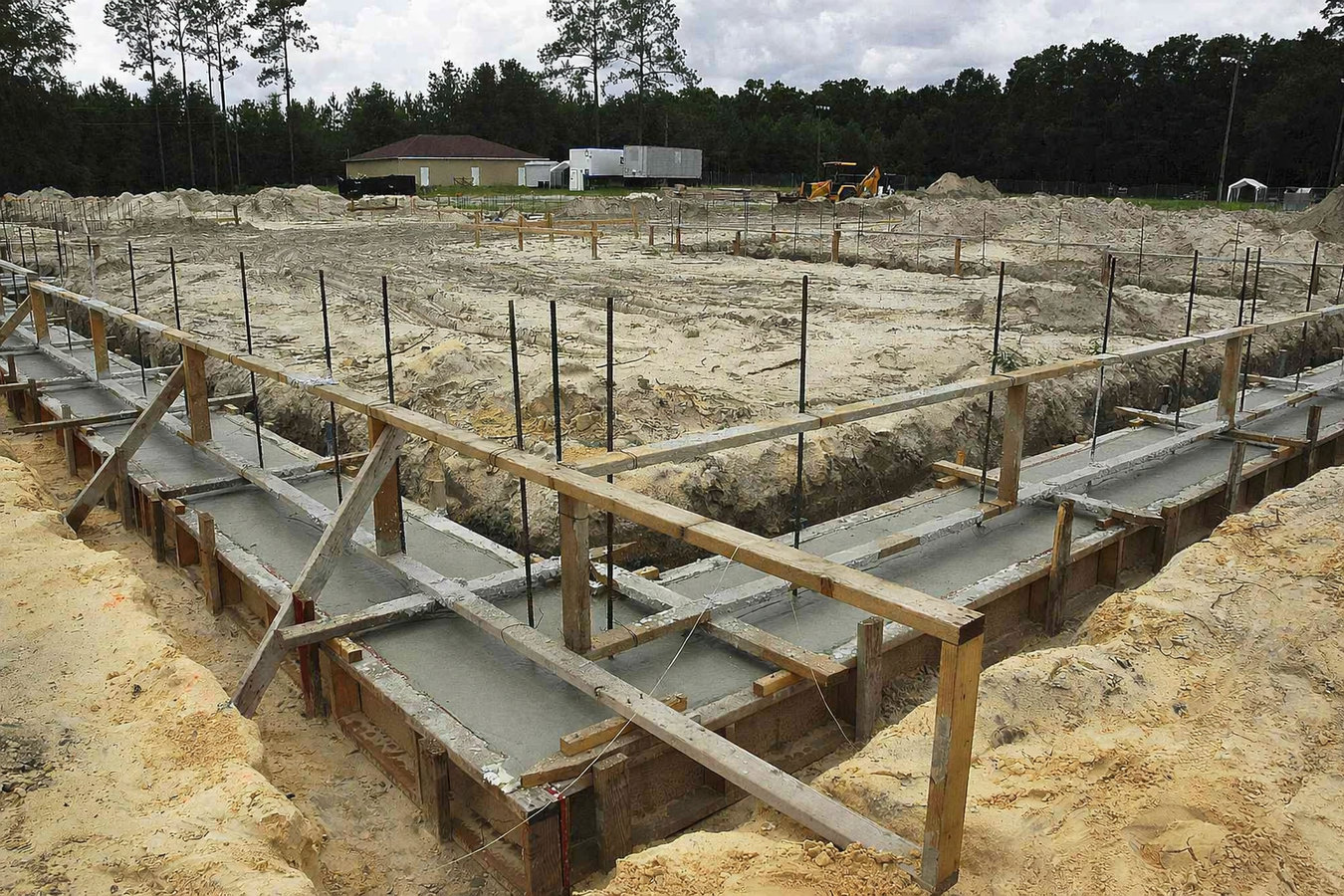
We install concrete footings for decks, fences, home additions, ADUs, garages, and foundation repairs throughout San Francisco and the surrounding Bay Area. Every project includes excavation to the required depth, wooden formwork to shape the concrete, steel reinforcement placement, the pour, and form removal once the concrete has set. We handle the building permit application, coordinate the required pre-pour inspection with the San Francisco Department of Building Inspection, and provide copies of all permit and inspection records when the job is complete. For projects requiring a full foundation system - footings plus a concrete slab above them - we combine footing work with foundation installation so the entire structural base is handled in one coordinated project.
San Francisco's narrow lots and dense neighborhoods mean that equipment access is often limited. When a machine cannot fit through a side gate or down a narrow alley, we dig by hand - and we account for that in your quote, not as a surprise change order when the crew shows up. A concrete footing poured at the wrong depth or in the wrong soil will shift within a few years even if the concrete itself looks perfect. We assess access and soil conditions during the estimate visit so the design and price reflect your actual property, not a generic job description.
Suits homeowners building a new deck or covered patio who need properly permitted footings designed for San Francisco's seismic requirements.
For older San Francisco homes where original footings have deteriorated or failed and need to be removed and replaced with code-compliant concrete.
Suits property owners building a new living space addition or accessory dwelling unit that requires engineered footings before framing can begin.
For fences, gates, and retaining walls that need stable concrete footings designed to hold position in San Francisco's varied soil conditions.
San Francisco sits near several active fault lines, and the city's building code reflects that directly. Footings here typically require more steel reinforcement and stronger connections to the structure above than you would find in lower-risk areas. The California Geological Survey maps the city's seismic hazard zones, and in many San Francisco neighborhoods the soil itself amplifies ground motion during an earthquake - which is one reason why the Loma Prieta earthquake caused disproportionate damage in areas built on fill. A footing that meets San Francisco's requirements is genuinely more resilient than one built to a bare minimum standard elsewhere, and that difference matters when your home's value and your family's safety are on the line.
A large share of San Francisco homes were built before 1940, and many have original footings made of unreinforced concrete or even brick - materials that do not meet today's standards. If you are repairing or replacing footings on an older home in neighborhoods like the Haight, Noe Valley, or the Richmond, the crew may encounter materials underground that need to be fully removed before new concrete can be poured. Homeowners in Oakland and Berkeley face similar conditions in pre-war housing stock, and we work across all three cities with the same attention to what is actually underground before we pour.
We ask a few questions upfront - what the footing is for, where on the property it sits, and whether there is any visible settling or cracking nearby. Then we schedule a free on-site visit. We reply to all inquiries within one business day.
During the visit we check access for equipment, review the condition of any existing concrete, and note your neighborhood - since soil conditions vary so much across San Francisco, that information shapes the design and the price. You receive a written, itemized estimate after the visit.
We submit the permit application to the San Francisco Department of Building Inspection. Plan for several weeks of review time before work begins. A city inspector will visit the site to verify depth and reinforcement before the pour - we schedule and coordinate that appointment.
The crew excavates, builds formwork, places steel reinforcement, and pours the concrete - typically one to two days of active work. After curing, we provide copies of the permit and inspection sign-offs so you have documentation of everything that was installed.
We handle permits, seismic reinforcement requirements, and city inspections - no surprises. Free on-site estimates, response within one business day.
(628) 895-9470Soft bay mud in the flatlands behaves very differently from solid bedrock in the hills. We assess the actual conditions at your property before finalizing the design, so the depth and reinforcement are right for your specific street - not a generic city-wide standard.
San Francisco's position near active fault lines means footings here need more reinforcement and stronger structural connections than most of the country requires. We build to those standards as a baseline - not as an upgrade - so your footing holds up when it counts.
The California Contractors State License Board requires licensed contractors to pull permits for structural work. We submit applications, coordinate with the city inspector for the required pre-pour sign-off, and hand you complete documentation when the job is done - protecting your home's legal record.
San Francisco is one of the densest cities in the country, and tight lots often mean hand digging. We evaluate access during the site visit and include the real labor cost in your quote. What you are quoted is what you pay - not a starting point that grows once the crew arrives.
A concrete footing is invisible once the project is done - but everything above it depends on it being right. We treat every footing project as the structural foundation it is, not a quick dig-and-pour job, because that is what your home and your investment actually require.
Lifting and releveling existing foundations in San Francisco - restoring structural stability in older homes where the foundation has settled or shifted.
Learn MoreComplete foundation systems for new structures and full replacements of deteriorated foundations - built to San Francisco's seismic and permit standards.
Learn MorePermit timelines in San Francisco are real - the sooner you reach out, the sooner your project gets moving. Contact us now for a free on-site estimate.