Serving San Francisco, CA and surrounding areas. (628) 895-9470
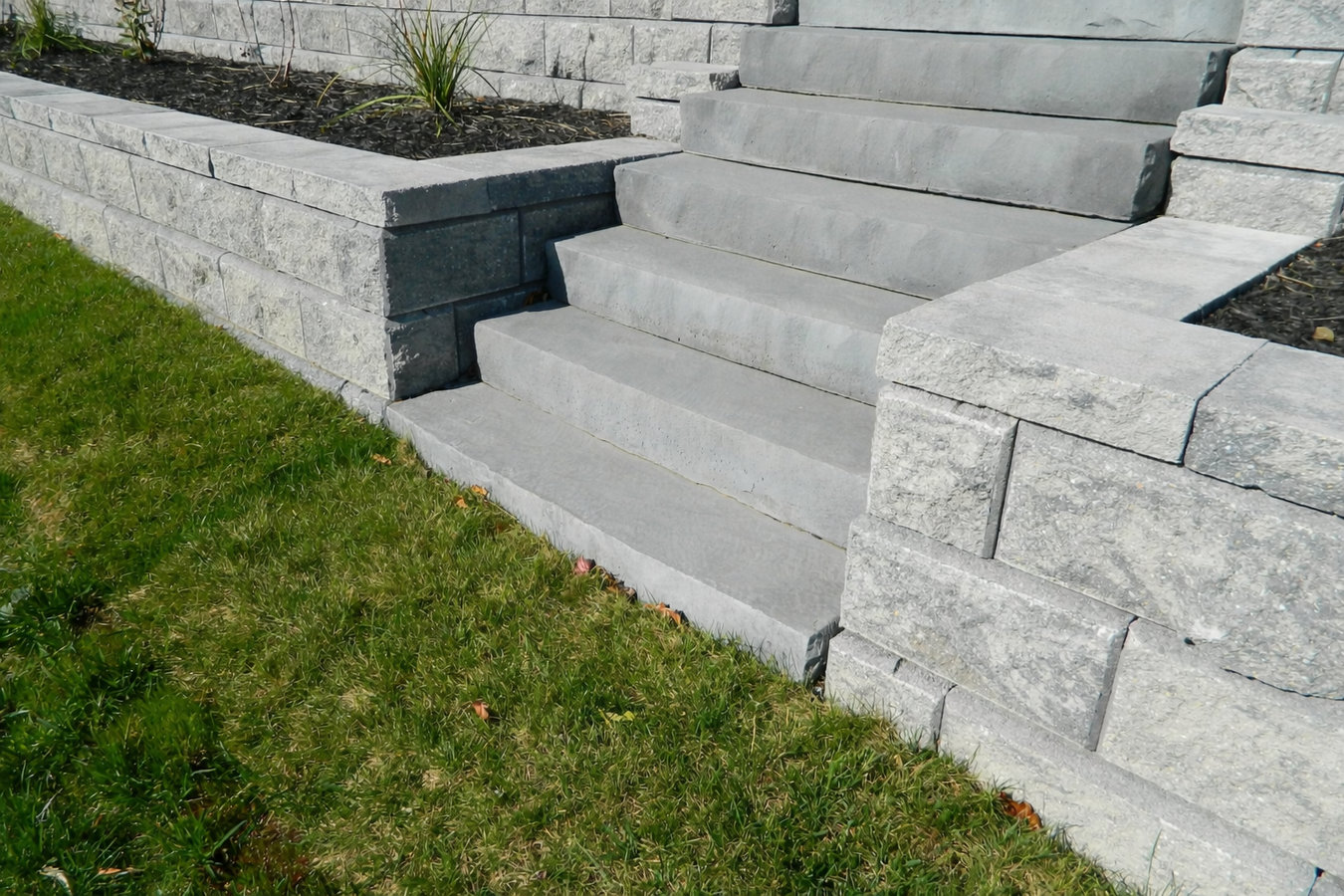
Cracked, tilting, or slippery steps are a trip hazard every time it rains. We build new concrete steps in San Francisco with proper reinforcement, a permit on file, and a finish that grips safely in wet weather.
Concrete steps construction in San Francisco means forming, pouring, and finishing a permanent set of stairs from scratch - not patching what is already there. The crew removes the old steps, prepares the ground and base, sets wooden forms, places steel reinforcement inside them, pours the concrete, and finishes the surface. Most residential projects take one to two days of active work, with a curing period of three to five days before the steps can be used safely.
San Francisco's older housing stock is a central factor here. The vast majority of homes in neighborhoods like the Mission, the Haight, and Noe Valley were built between the 1880s and 1940s. Many of those original entry stairs are either at or past the end of their useful life. When steps start cracking, tilting, or crumbling, patching them is a short-term fix that does not address the base problem. If your steps also connect to a retaining wall or elevated yard area, we can coordinate both into a single project - see our concrete retaining walls work for details.
The San Francisco Department of Building Inspection requires a permit for most new concrete step construction in the city. A licensed contractor handles that process from application to inspection sign-off.
Cracks wider than a hairline - especially ones that run all the way across a step or along the edge - mean the structural integrity of the steps is compromised. In San Francisco, the clay and fill soils common across many neighborhoods shift with the seasons, putting stress on the base from below. Patching surface cracks on steps that are already failing rarely lasts more than a year or two.
If any step slopes to one side, or if a gap has opened between the steps and the foundation, the base underneath has shifted. This is especially common in San Francisco neighborhoods built on fill or clay soil, where ground movement over decades causes even well-built steps to settle unevenly. Uneven steps are a trip hazard that tends to get worse, not better.
When the top layer of concrete starts to flake off in chunks or thin sheets, leaving a rough, pitted surface underneath, the material is breaking down. In San Francisco, this is often caused by years of moisture cycling - wet winters followed by drier summers - working on concrete that was never sealed. Once spalling starts, the exposed surface absorbs more moisture and deteriorates faster.
If standing water collects at the bottom of your steps or where the steps meet the sidewalk, drainage around the steps is failing. Over time, that pooling water undermines the base and can affect your home's foundation. San Francisco's rainy season runs roughly from November through April, and this problem compounds quickly if left unaddressed through even one wet season.
We handle every part of a concrete steps project - permit application, demolition of the old steps, base preparation and compaction, steel reinforcement, pouring, and finishing. For San Francisco properties, we pay particular attention to base conditions during the assessment visit. Homes built on fill or clay soil may need additional compaction or a deeper footing to keep new steps from settling the way the old ones did.
For homeowners with more extensive projects, our concrete steps work connects naturally with slab foundation building and concrete retaining walls when the project involves grade changes or elevated outdoor areas. We coordinate all of it under one permit process.
Suits homeowners with cracked, tilting, or structurally compromised steps that have reached the end of their useful life.
Suits properties that need a first set of concrete steps installed as part of a home renovation or addition.
Suits any San Francisco home where slip resistance in wet weather is the top priority - which covers most of the city.
Suits homeowners who want steps that complement the exterior character of their Victorian or Edwardian home while still being safe to walk on.
San Francisco's Victorian and Edwardian homes were built with entry stairs that have distinct proportions and a specific look. Replacing those steps is not just a structural job - it is a design decision that affects how the front of the home reads from the street. A contractor who understands the city's housing stock will talk through rise-and-run proportions, edge profiles, and finish options before the pour, so the finished steps feel like they belong rather than looking like a generic replacement slab. San Francisco's rainy season, which runs from November through April, also means any steps rebuilt without a textured finish will be wet and slippery for months at a time - a real safety issue at the front door.
The city's sidewalk encroachment rules are another factor unique to San Francisco. Steps that extend toward or over the public sidewalk are subject to setback rules from both the Department of Building Inspection and San Francisco Public Works. Replacing steps that already encroach on the sidewalk may require adjusting the design to bring it into compliance - and it is much easier to address that during planning than after the pour. We work throughout San Francisco and serve nearby communities as well, including Daly City and South San Francisco, where many homes face the same older-construction and soil challenges.
We come to your property, look at the existing steps and base conditions, and ask about any design preferences. You receive a written quote within one business day that breaks out labor, materials, and permit fees separately. We do not quote over the phone - the condition of the ground and the complexity of the existing structure both affect the price.
For most concrete step projects in San Francisco, we apply for a building permit through the city before any work begins. This process typically takes one to three weeks depending on project scope. We handle the paperwork and keep you updated - you do not need to visit the permit office.
The crew removes the old steps, compacts the ground, lays a gravel base, sets wooden forms, places steel reinforcement, and pours the concrete. Finishing happens the same day as the pour. The active work usually completes within one to two days.
The concrete needs three to five days before it is safe for regular foot traffic - longer in San Francisco's cool, foggy conditions. The city inspection is scheduled during this window. Once signed off, we do a final walkthrough covering care instructions and when to apply a sealer.
Free on-site estimate. We pull the permit. Your front entry is usable within a week of project start.
(628) 895-9470We embed steel rebar or welded wire mesh inside every set of steps before pouring. This is the detail that separates steps that hold up for decades from steps that crack within a few years. If a contractor skips reinforcement to save money, the steps are far more vulnerable to San Francisco's shifting soils and seasonal moisture. Ask us specifically - the answer will always be yes.
Every concrete step project in San Francisco that requires a permit is permitted before work begins - no exceptions. Unpermitted work creates problems when you sell, can require expensive correction orders, and leaves you without legal recourse if something goes wrong. We handle the entire permit process so you are fully covered.
San Francisco Public Works has setback rules for steps that approach or encroach on the public sidewalk. We review your site for compliance during the estimate visit and factor any adjustments into the design before the permit application. Dealing with this upfront is far less expensive than modifying finished concrete after a correction order. San Francisco Public Works guidelines inform every project near a public sidewalk.
San Francisco's entry steps are wet from rain or fog for much of the year. A smooth finish looks clean but gets slippery when wet - a genuine safety problem at a front door used every day. We default to a broom finish on San Francisco projects and discuss alternatives with you only when they can be made equally safe with the right sealer.
A new set of concrete steps handles one of the most-used entry points on your property. Getting the reinforcement, the base, and the surface finish right from the start means you are not back to square one after a couple of wet winters.
When steps connect to an elevated structure or new addition, a properly built concrete slab foundation ensures everything is on solid ground.
Learn MoreSteps on hillside San Francisco properties often tie directly into a retaining wall - we design and build both as one coordinated project.
Learn MorePermits, cleanup, and a textured finish for wet weather are all included - reach out now before the next rainy season starts.